Gaussian
Splatting
A revolutionary way to capture and render real-world 3D scenes at hundreds of FPS using millions of tiny glowing 3D Gaussians instead of polygons or neural meshes.
No meshes 120+ FPS works on web
Gaussian Splatting is the evolution of NeRF (Neural Radiance Field): same photorealistic quality from a few photos, but rendered in real-time by directly splatting millions of 3D Gaussians onto the screen.
Each Gaussian has:
How it form 3d scene from 360 video
Sample 3D Gaussian Splatting cloud formation
Record
a short
video
Walk 360 around any object or place with your phone, drone, camera, anything that can record a video.
The video
splitted into
100+ of images
Just like taking many pictures from every angle
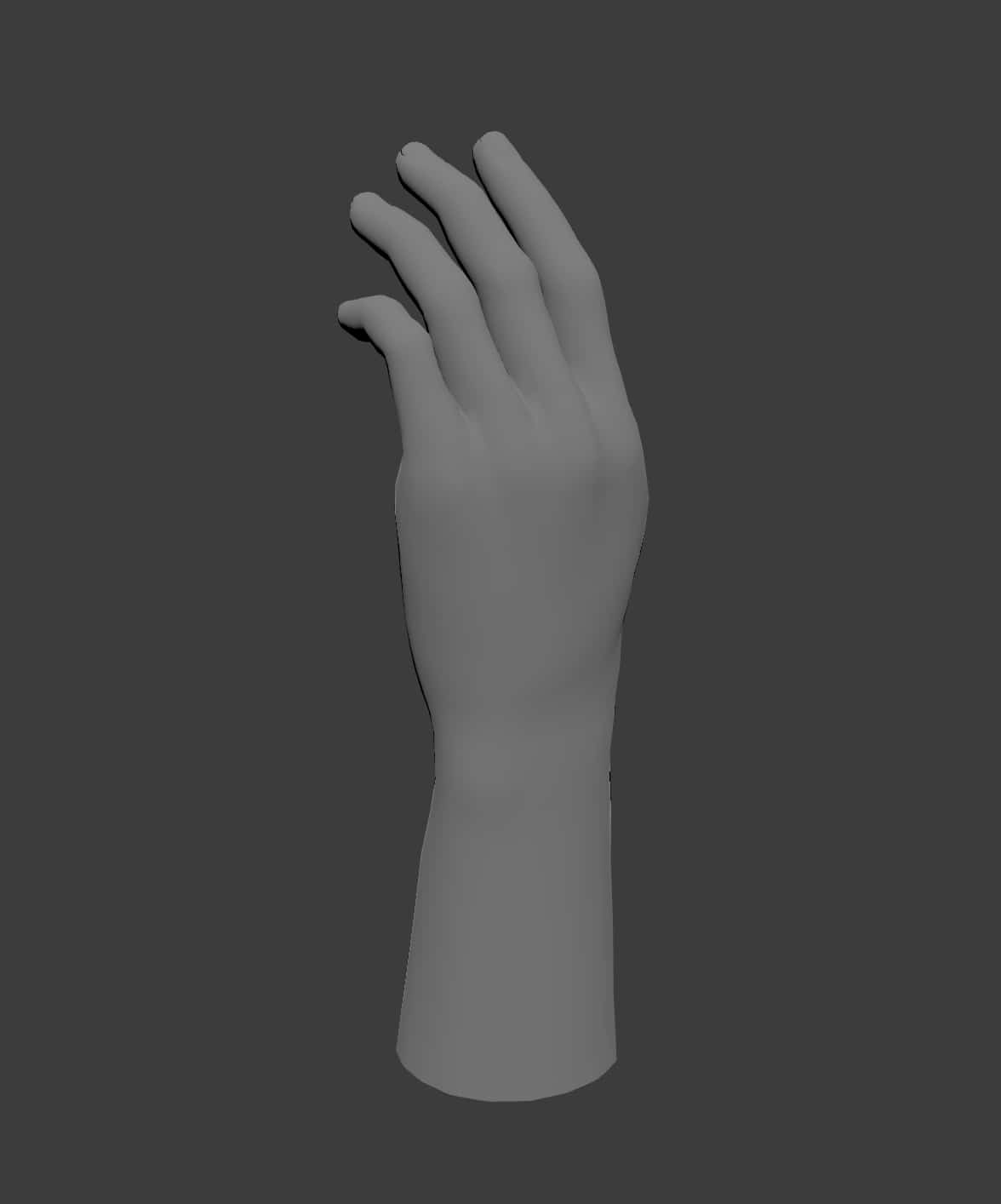
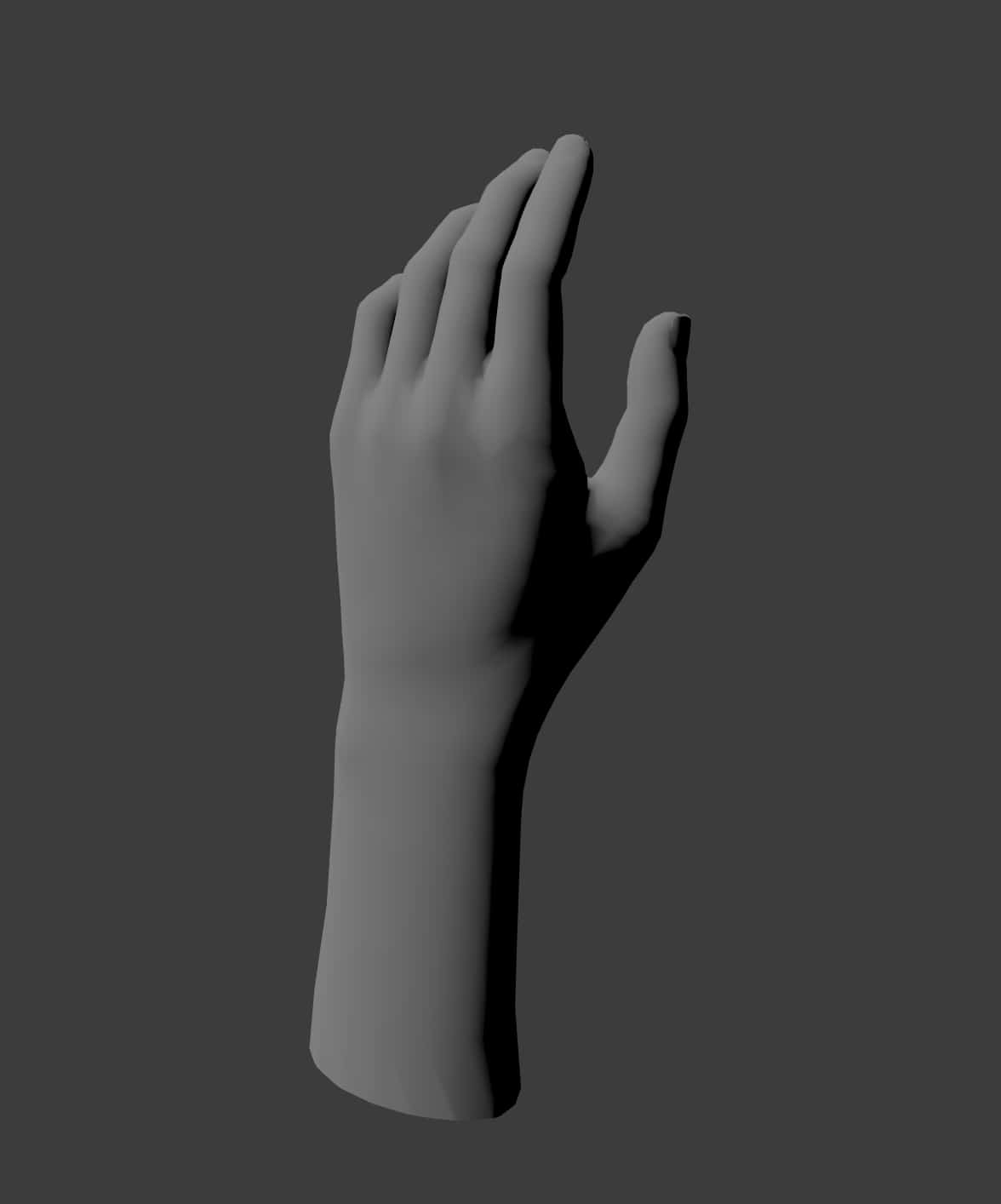
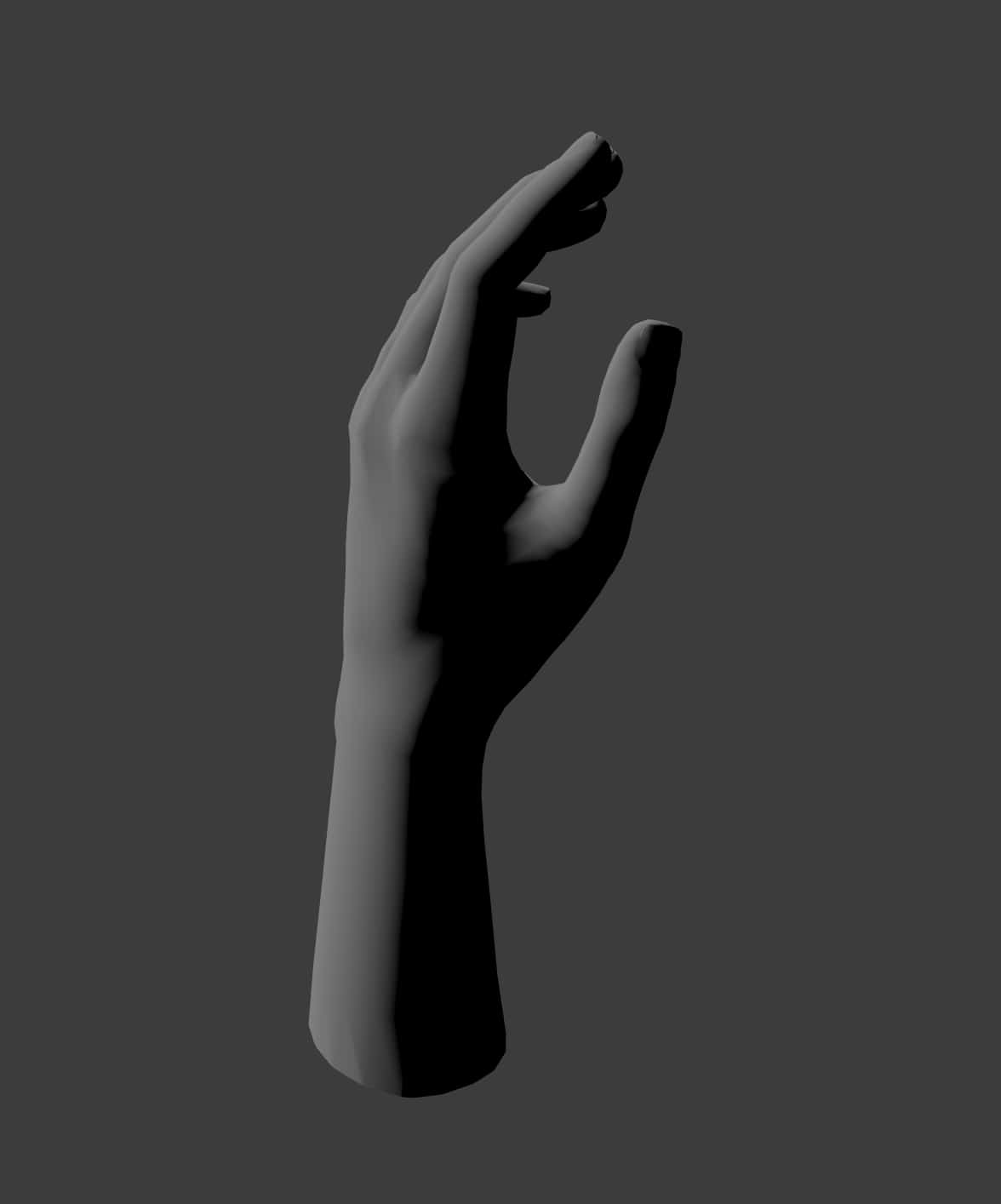
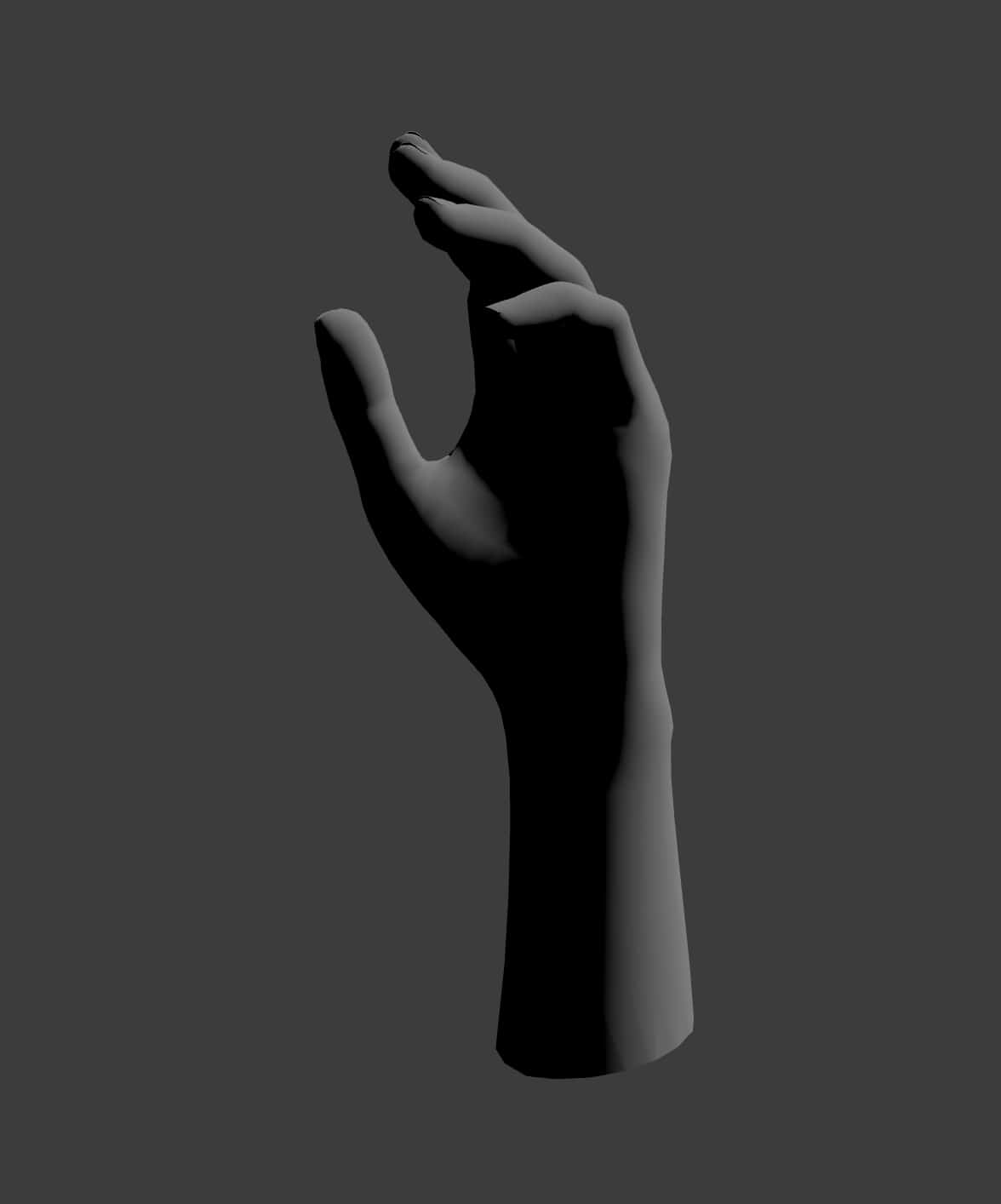
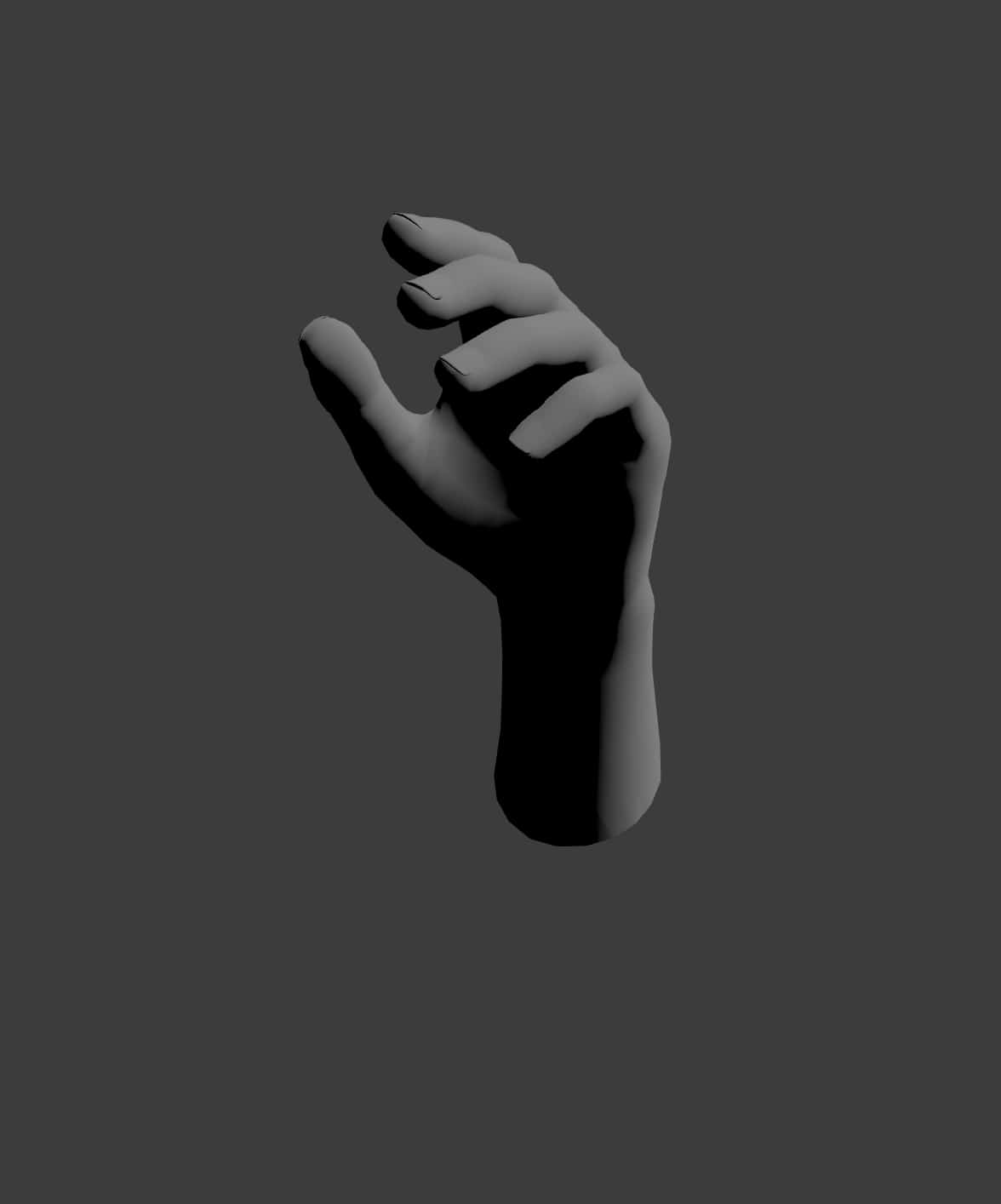
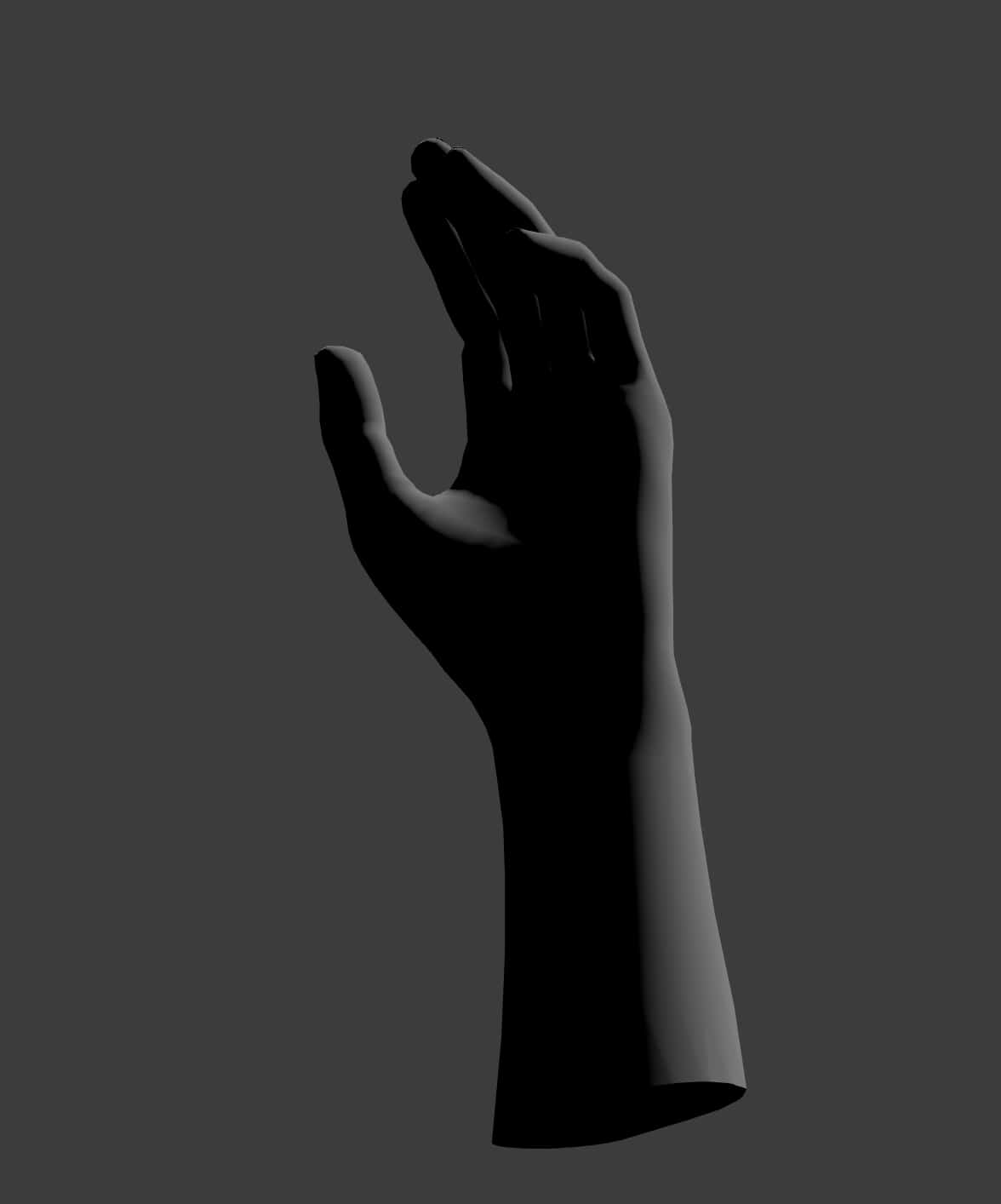
some of sample images form hand model, its can be based upon fPS in a video
finds 3D
camera positions
in space
The computer looks at all photos and figures out exactly where the camera was for each one
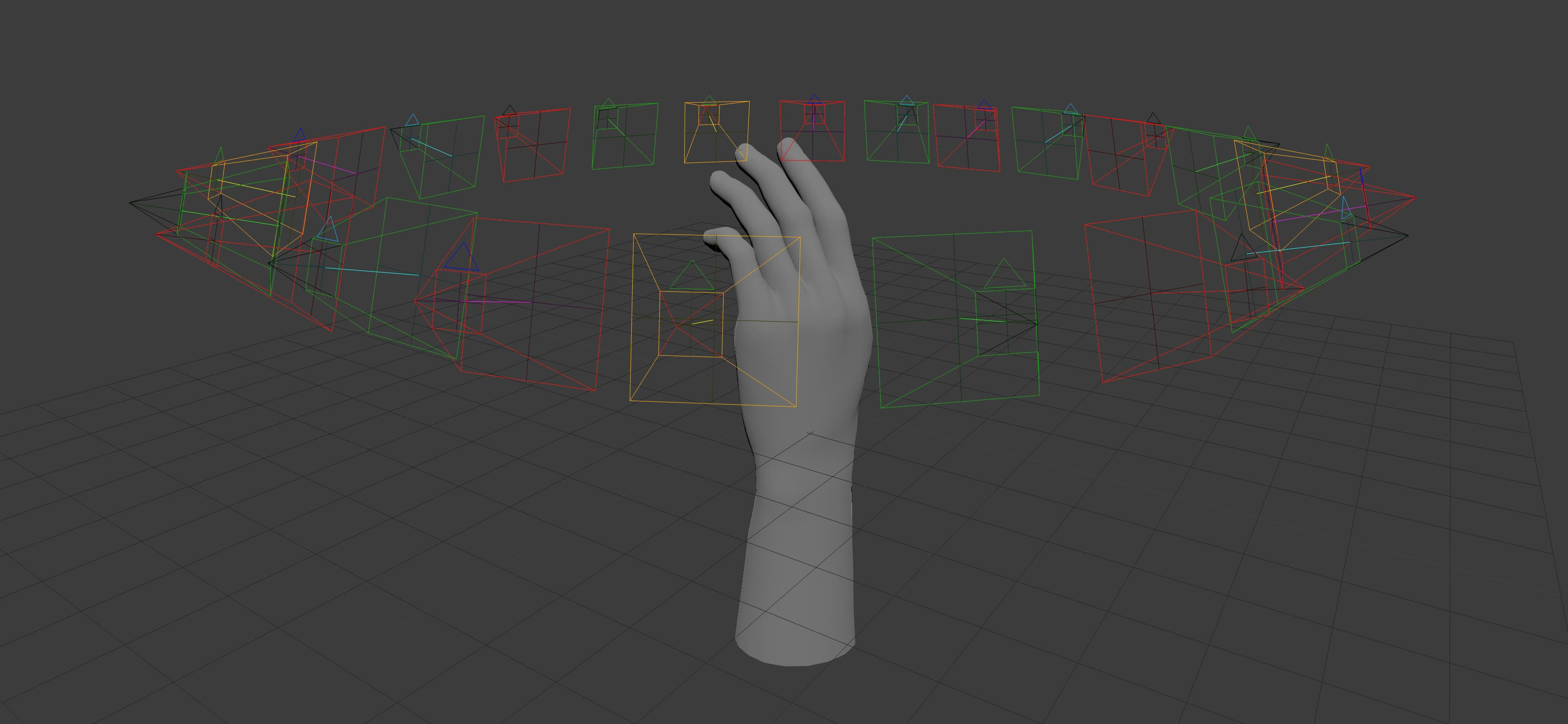
sample image of hand model with camera array with there positions
3D glowing
Gaussians
formation
Millions of tiny glowing 3D bubbles (Gaussians) are placed exactly where the real object was, They learn the perfect size, shape, color, and shininess from the photos.
few time the
bubbles are
perfectly tuned
So as time passed, model constantly update Gaussians(positions, alpha, rotation, size), we see it forming clouds, at start it seems like points
final 3d
Gaussian
splatting
You now have a tiny file (a few megabytes) that contains the full 3D scene made of smart glowing bubbles.



Why It Beats Everything Else
meshes
NeRF : slow, blurry, GBs
Photogrammetry : heavy meshes
Professional scan : 500+k Machines
3DGS : fast, less complex, MBs
Gaussians
The Future is Here
AR/VR glasses
Meta Verse
3D video calls
Digital twins
E-commerce
Future updates: 4D Gaussian Splatting
3D GS + Time = Millions of "deformable" Gaussians that move and change shape over time.
Current Limitations
Shiny/reflective surfaces still tricky and not properly rendered.
Very big scenes need compression and more computation GPU.
Editing not fully real-time yet and more complex for beginner.